
What is genuinely easy
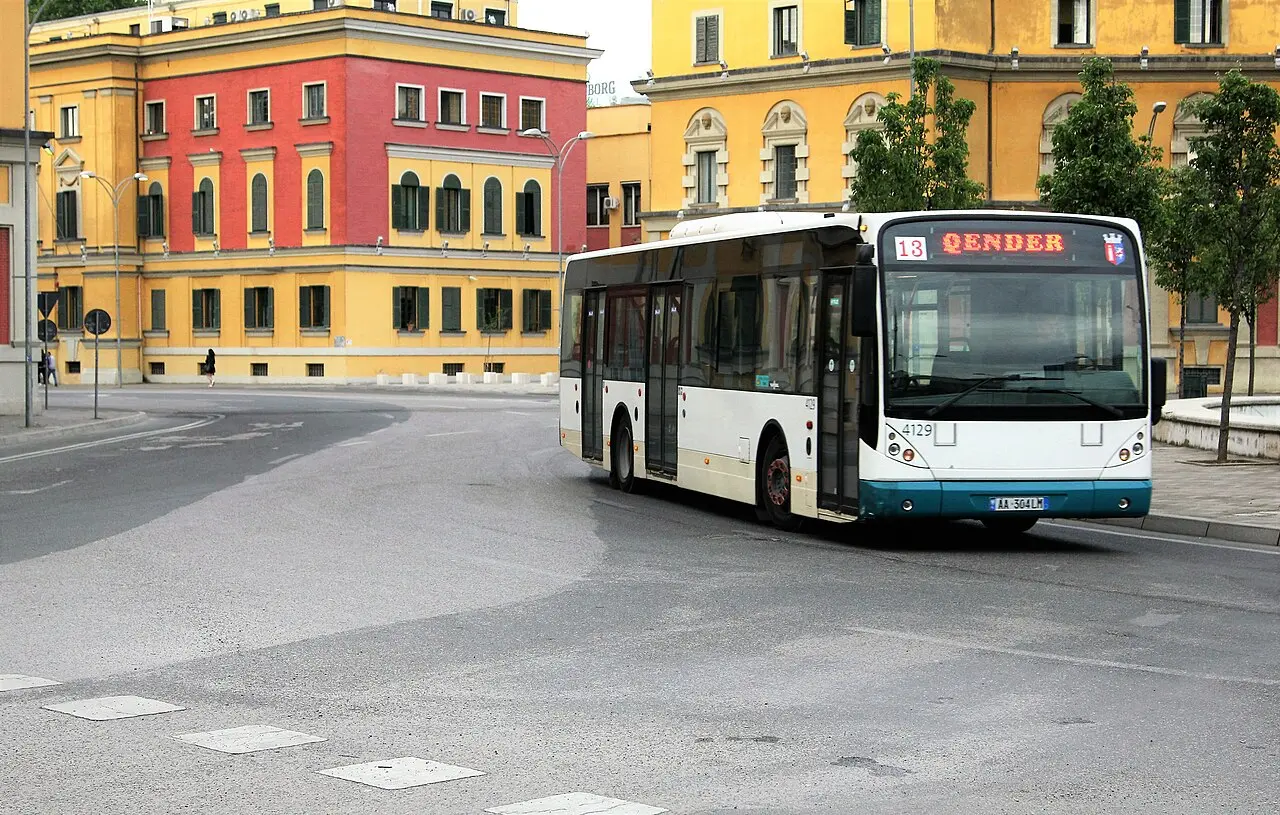
Intercity travel between Tirana, Shkodër, Berat, Gjirokastër and Sarandë is a normal part of Albanian life and tourism. Services may be coaches, mid-size buses or furgons; the vehicle matters less than knowing the departure point and whether a ticket is bought at an office, on board or from a driver.
The route becomes easier when each transfer ends in a town where you can walk, find accommodation and confirm the next leg. It becomes harder when you add a remote beach, trailhead or small inland village between every pair.
| Place | No-car fit | What to plan |
|---|---|---|
| Tirana | Strong | Domestic terminal is outside the central tourist core |
| Shkodër | Strong | Arrange mountain transfers separately |
| Berat | Strong | Choose accommodation with the terminal and slope in mind |
| Gjirokastër | Strong | Old town is uphill from easier road access |
| Sarandë | Strong | Useful for Butrint, Ksamil and Corfu links |
| Himarë | Moderate | Onward local beach access is less flexible |
| Përmet/Vjosa | Moderate | Rural activities may need a local transfer |
| Theth/Valbona | Seasonal | Treat the whole chain as one booking problem |
Build around mornings, not exact internet times
Albania does not offer one authoritative national journey planner covering every private and municipal bus. Some operators publish schedules; terminals and local tourism businesses may hold current information; accommodations routinely confirm the practical details. Use online times as leads, then verify the route and departure point close to travel.
Plan transfer mornings rather than a minute-by-minute chain. Arrive with time to identify the vehicle, keep cash available and avoid a fixed tour immediately after arrival.
When a private or shared transfer is worth it
Pay for a transfer when it prevents a route from collapsing: an early airport connection, a rural Vjosa stay, a coast base beyond the main bus pattern, or a mountain link that is sold as an integrated service. Do not pay merely to avoid learning where the terminal is.
Ask for the total price, pickup location, cancellation terms, luggage policy and vehicle type in writing. A tour is a better bridge when the destination needs interpretation or controlled access; a transfer is better when you already know what you want to do.
Luggage, seating and accessibility
Large coaches usually store luggage below; smaller vehicles may use rear space, a roof rack or the aisle. Keep valuables, medicine and travel documents with you. Arrive early if seating or luggage arrangement matters.
Step height, narrow aisles, uneven terminals and a lack of consistent assistance can make the network difficult for travellers with reduced mobility. Confirm vehicle accessibility directly; do not assume an online ticket implies level boarding or reserved assistance.
Connections you should not stack
Do not combine Theth transport, a domestic bus change and an international flight. Do not rely on a late south-coast arrival to meet the last ferry without a backup. Do not plan Berat, Gjirokastër and Sarandë as same-day sightseeing stops because the road looks continuous.
The useful rule is one uncertain element per day. If the departure point is uncertain, keep the arrival flexible. If the arrival is fixed, buy certainty earlier in the chain.
Design each travel day from door to door
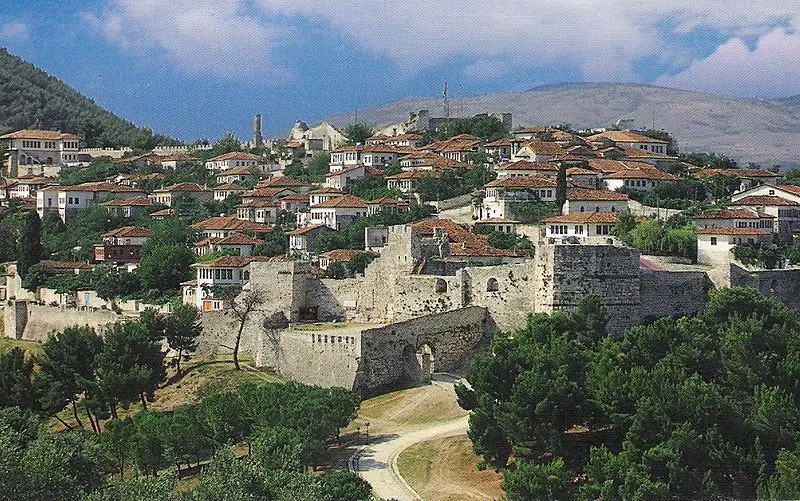
Write five items for every move: accommodation checkout, journey to the departure point, main service, arrival point and final walk or pickup. The main bus may be easy while the two local edges make the day unsuitable. This is especially important for steep historic quarters, smaller beaches and guesthouses outside a town centre.
A no-car itinerary becomes calmer when accommodation is selected for the transport day as well as the sightseeing day. In Tirana that may mean a walkable centre with a known taxi route to the correct terminal. In Berat and Gjirokastër it may mean accepting less old-town atmosphere for an easier luggage approach. On the coast it often means choosing Sarandë for network strength or arranging one verified bridge to Himarë.
| Leg type | Usually manageable | Where it becomes awkward | Practical response |
|---|---|---|---|
| Major town to major town | One confirmed intercity service | Unclear Tirana terminal | Save the address and leave early |
| Historic-town arrival | Known stop plus short transfer | Steep climb with luggage | Arrange pickup or choose a lower area |
| Coast connection | Sarandë and a confirmed direct leg | Remote beach or seasonal link | Use one base or one arranged transfer |
| Northern mountains | Complete chain booked together | Separate unconnected tickets | Return to Shkodër and keep a buffer |
The day-before confirmation script
Ask the questions as one dated journey rather than asking whether ‘there is a bus’. Save the reply offline. For the airport, use the official airport transport page and recheck the published central-Tirana and terminal services rather than relying on an old screenshot.
- Does this exact service operate tomorrow?
- What is the full departure-point name and map pin?
- Which operator or vehicle name should I look for?
- When and in which currency do I pay?
- Is there space and help for my luggage or mobility equipment?
- Where exactly will I arrive, and how do I reach the accommodation?
- What is the next reasonable option if I miss it?
Checked against: Tirana International Airport — by bus, Tirana International Airport — bus terminal, eTransport Albania
With a week, remove the coast
Use the six-night heritage route: Tirana 1, Berat 2, Gjirokastër 2 and Tirana 1, then depart on day 7. Adding Sarandë would remove a full day or the return buffer. A late flight is not a reason to assume a long bus journey and an airport connection will fit.
With two weeks, spend longer in these bases before considering another region. A northern addition needs its own confirmed transfers; it does not come free with the extra calendar days.