
Decide at route level
Compare the whole trip, not the daily headline price. Add insurance, deposit, fuel, parking, airport fees, one-way charges and any cross-border permission. Then compare buses plus the one private transfer that would solve the awkward segment.
A mixed trip is often strongest: use Tirana and the stone cities without a car, then rent for the Vjosa valley or Riviera.
Licence, contract and insurance
Requirements depend on the licence country, rental company and current Albanian rules. Ask the rental company in writing which original licence, International Driving Permit and age conditions apply to you. Read what collision cover excludes: tyres, glass, underside, roof, keys and unauthorised roads are common areas to check.
Understand the deposit amount, card type, excess and incident process before paying. A zero-excess marketing label is not enough without the policy wording.
Road character and timing
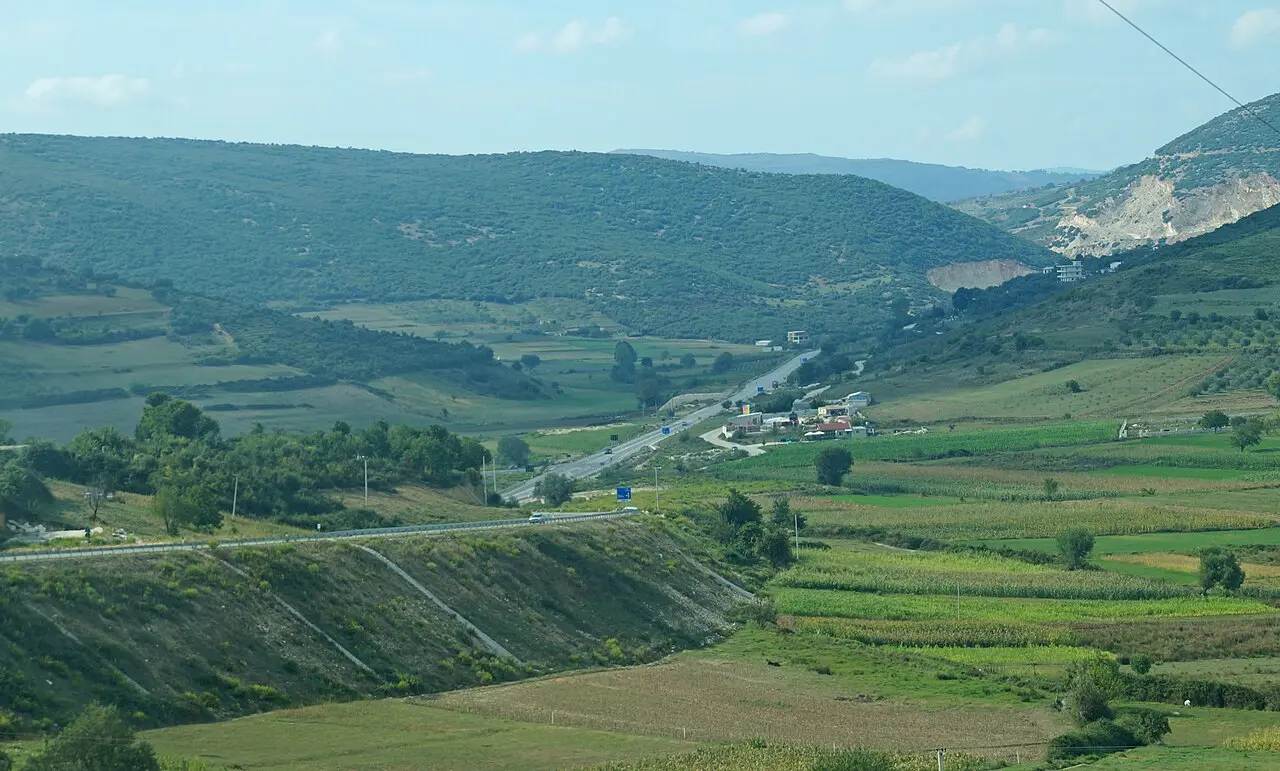
Major roads can be straightforward, while town exits, coastal bends, construction, livestock, pedestrians and impatient overtaking demand concentration. Add daylight margin and a real rest stop. A map estimate is not permission to combine a long drive with two sightseeing stops.
Mountain and rural night driving magnifies missing lighting, weather and road-edge risk. After a late flight, sleep near Tirana and start fresh.
Parking and the right car
Small cars are easier in Tirana garages, historic approaches and coast villages. Higher clearance may help on a genuinely rough access road, but it does not make an unsuitable road safe or permitted by the rental agreement. Ask the host for the exact final approach and parking instructions.
Do not drive into steep historic quarters simply because navigation proposes it. Park where the accommodation recommends and move luggage by foot or taxi.
Fuel, borders and return
Check the fuel type and return policy at collection. Keep enough range for rural stretches and retain receipts if the contract requests them. For Montenegro, Kosovo, North Macedonia or Greece, obtain written permission, insurance territory confirmation and any required documents; do not assume an open border means the rental may cross it.
Return with time for inspection and disagreement. Photograph the vehicle, fuel gauge and parking position again.
Translate the route into contract questions
Tell the rental company the driver’s licence country, planned border crossings, ferry use, named additional drivers and the type of roads on the itinerary. Ask for written confirmation of accepted documents, deposit card, excess, exclusions, roadside assistance and the return process. A comparison-page summary is not the contract.
At collection, photograph every side of the vehicle, wheels, tyres, glass, roof if visible, interior, fuel level and mileage. Make sure existing damage is acknowledged before leaving. At return, photograph the same areas and obtain a receipt or written closure where possible. Keep the evidence beyond the return until the deposit is released.
- Accepted driving licence and any IDP requirement for the specific driver.
- Deposit amount, card type and cardholder name.
- Excess and exclusions for tyres, glass, underside, keys and interior.
- Written permission and insurance for every border.
- Breakdown, accident and after-hours contact procedure.
- Fuel, mileage, cleaning and late-return rules.
Use a risk budget as well as a time estimate
The FCDO warns that driving can be hazardous and erratic, that rural road surfaces may be poor, and that night travel adds unmarked roadworks, potholes, unlit vehicles and limited street lighting. It also says to remain at the scene after even a minor accident until police arrive. These are reasons to shorten driving days and keep unfamiliar rural or mountain approaches in daylight.
A small car is often easier in towns and sufficient on normal main-road itineraries. Greater clearance may help only when the accommodation confirms a genuinely rough access road. It does not make a closed, flooded, snow-affected or unsuitable route safe. Turn around when the road, light or driver concentration no longer supports the plan.
Checked against: UK FCDO — safety and security in Albania
Parking is an accommodation criterion
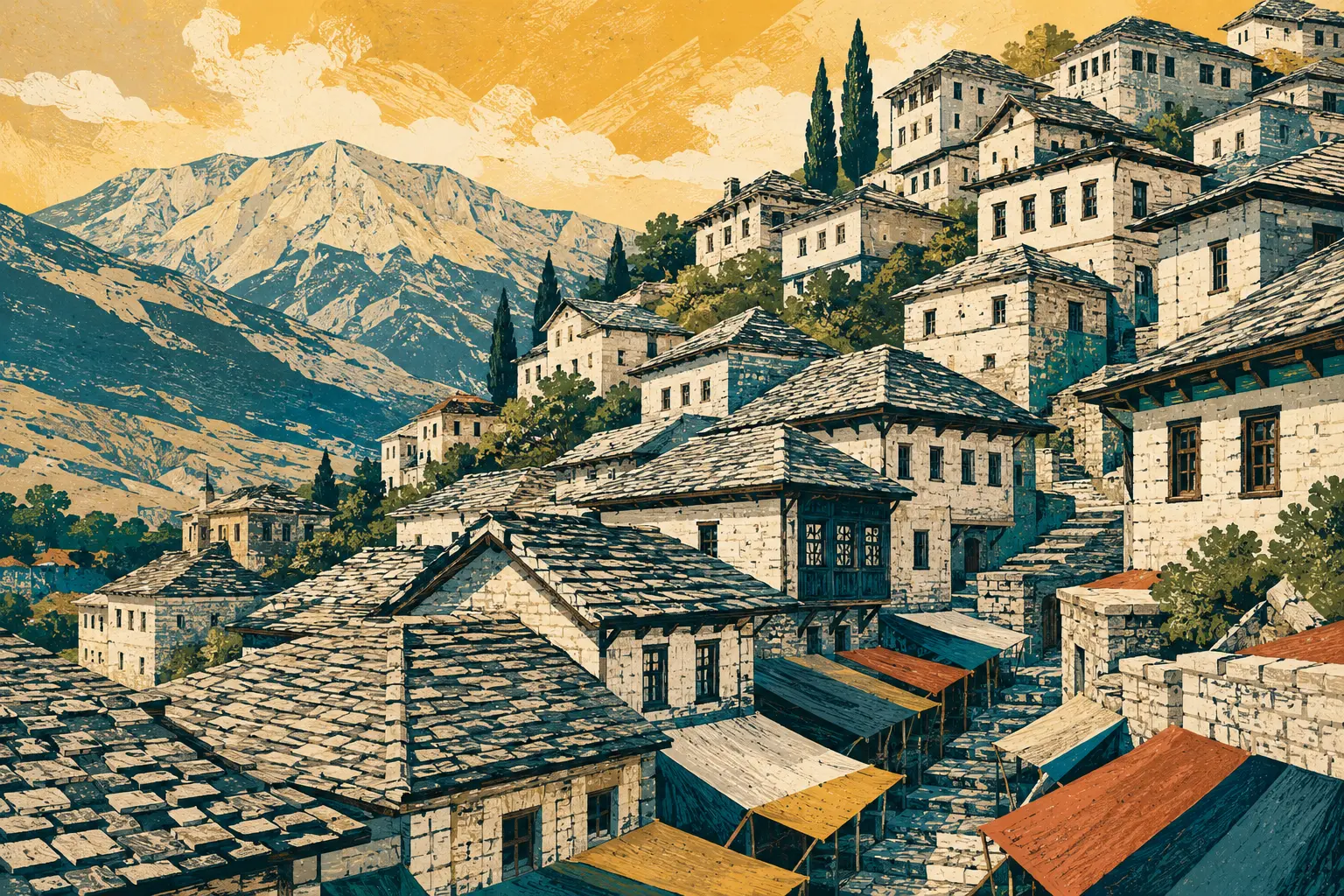
In Tirana, collect the car after the central stay when possible. In Berat and Gjirokastër, ask for the exact approach and unloading point; ‘parking available’ may describe a space below a steep old quarter rather than beside the room. On the Riviera, confirm whether the space is reserved, whether the access is steep and whether leaving for a day trip risks losing it.
Plan the last driving day conservatively. Return the car before a fixed flight when the contract, traffic or inspection could create delay. If a city-and-main-town itinerary already works by bus, not renting may remove more friction than it adds.
Accident and breakdown preparation
Save the rental company’s emergency and roadside-assistance numbers before leaving the desk. Ask which events require police attendance, which documents must be collected and whether the car may be moved. The FCDO advises drivers involved in even a minor accident to remain at the scene until police arrive. Follow local instructions and the contract rather than improvising a private settlement.
Keep the rental agreement, insurance evidence, driving licence and identification accessible but secure. If the vehicle develops a warning light or tyre problem, stop somewhere safe and contact the authorised assistance route. Unapproved repairs can create both safety and reimbursement problems.
Checked against: UK FCDO — safety and security in Albania
Fuel, borders and the return day
Confirm the required fuel type at collection and photograph the gauge. Do not assume a border crossing or ferry is covered because the navigation app offers the route. Each planned country needs written vehicle permission and insurance confirmation; the rental company may also require notice or additional documents.
Allow time for refuelling, inspection, queues and the trip from the return area to the terminal. For an early flight, returning the previous evening can be calmer if the contract and accommodation plan support it. The cheapest collection point is not useful if it forces an unfamiliar city drive at the start or end of the holiday.